My letter is directed at the BBC World Questions programme.
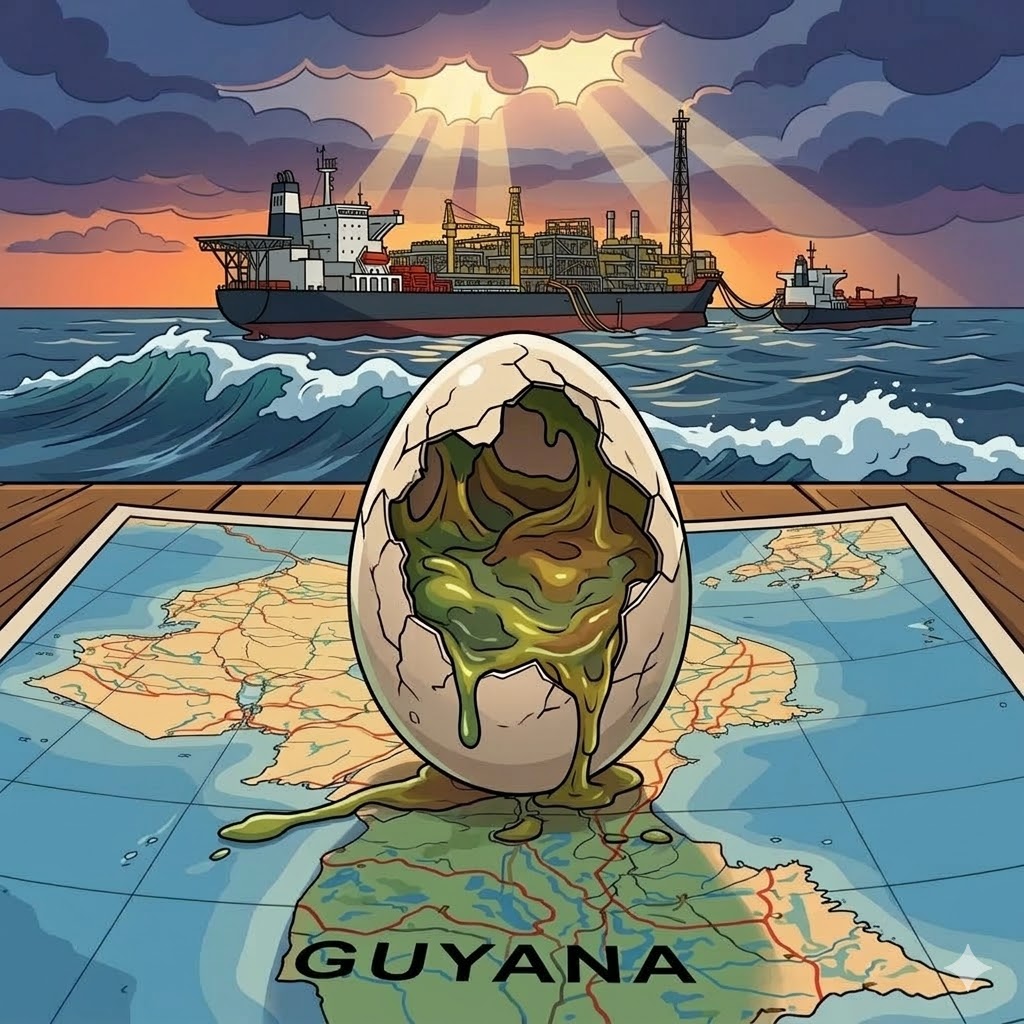
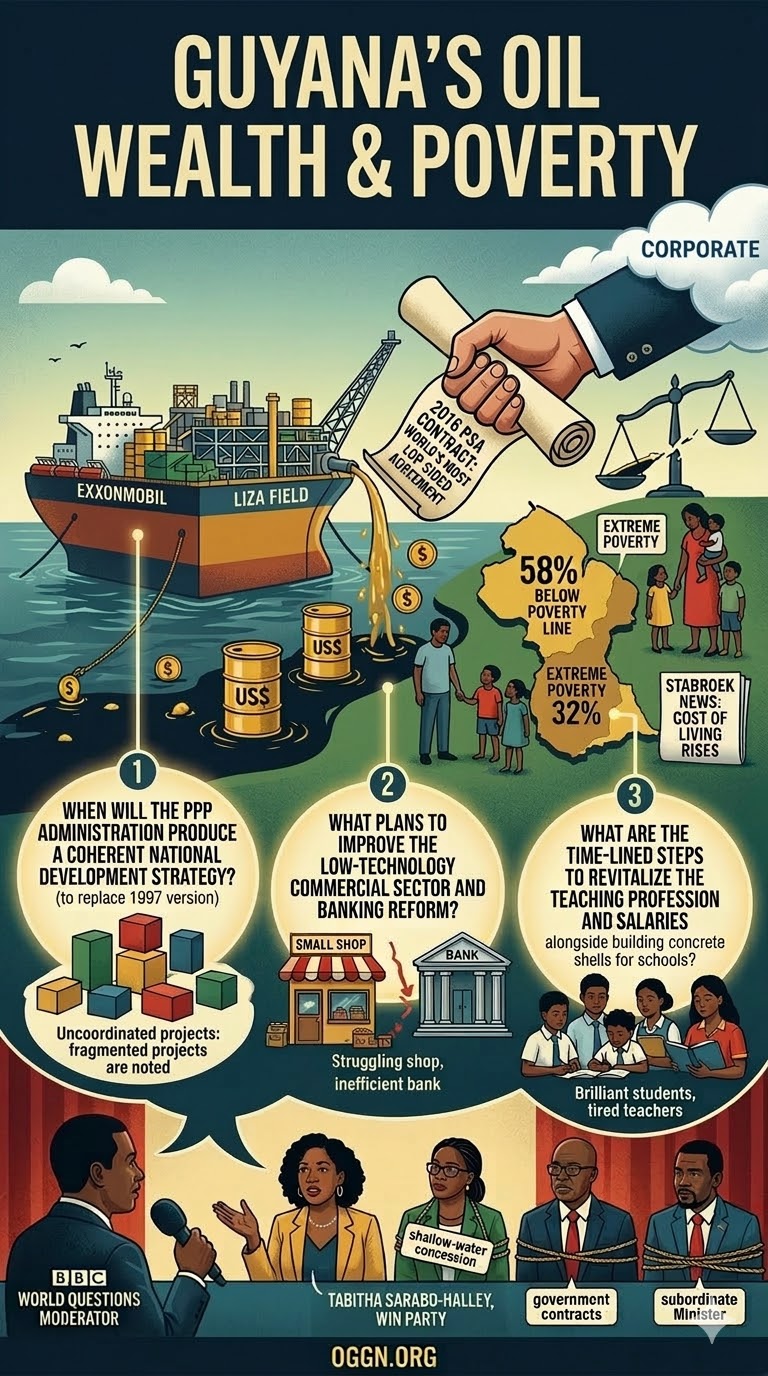
If I understand correctly, the visit has been induced by the BBC noting that Guyana’s GDP per person is now high because of the export value of ExxonMobil’s offshore deep-water oil, a resource in excess of 11.6 billion barrels of oil and 13-16 trillion standard cubic feet of gas. If you look at any of the 170 columns, ‘How the cost of living is affecting people’ by the roving reporter Subhana Shiwmangal, published more or less weekly by the independent daily newspaper Stabroek News (last column 2 March 2026), you will see how a large proportion of the population is not benefitting even from the small government income from the oil. The standard way of estimating GDP does not take account of the rising income inequality. The World Bank adjusted Guyana’s classification in 2023, so now it is a high-income country, yet the Inter-American Development Bank estimates that 58% of the population lives below the poverty line of USD 6.85 per day, with extreme poverty affecting 32% of the people.
With support from UNDP and the Carter Center, Guyana was a pioneer of national sustainable development plans in 1997, involving 200 Guya-nese in a remarkable non-partisan effort. Now almost 30 years later, Guyana has no functional strategic plan but a torrent of ad hoc uncoordinated projects launched day by day and principally benefitting the local contractors linked to the increasingly autocratic regime of the People’s Progressive Party (PPP). The National Assembly (parliament) is not functional as a debating chamber, partly because of a highly biased Speaker, and partly because of a badly drafted National Constitution, last revised slightly in 2003.
I do not know how your local panel was selected but you should know that one member is holder of a shallow-water oil concession (block S3) awarded from the 2022 licensing round; one member was head of the commercial Private Sector Commission whose members depend heavily on government contracts; the Minister is not the Minister of Finance but has a title showing that he is subordinate to the second Vice President. So only Tabitha Sarabo-Halley from the WIN political Party will be able to speak fairly freely. The other three will likely regurgitate the Executive government’s talking points.
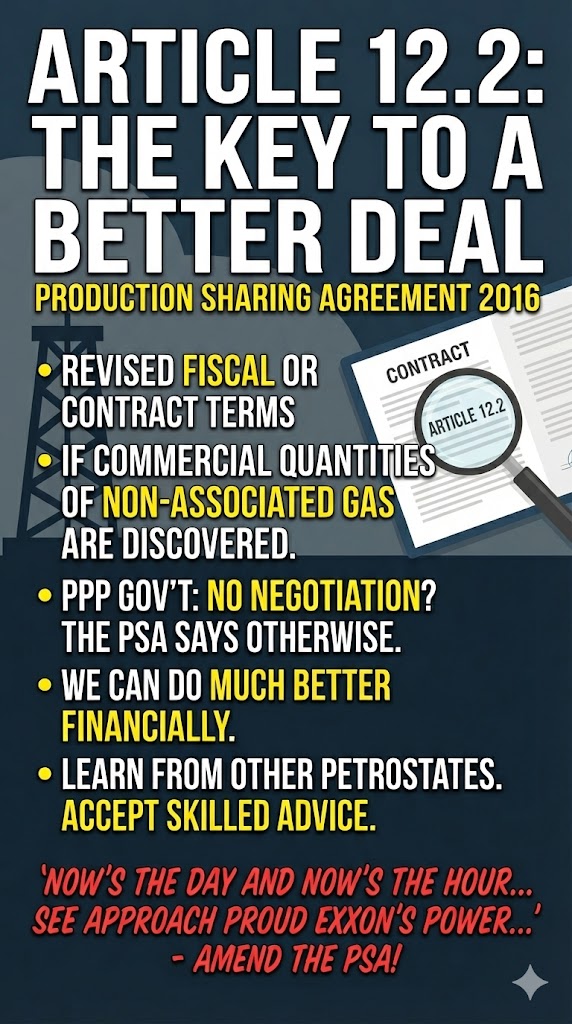
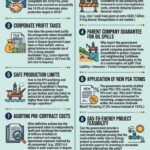
BBC World Questions should also be aware that ExxonMobil essentially dictated the terms of the world’s most lop-sided production sharing agreement (PSA) in 2016, and is naturally highly resistant to any suggestion that the government of Guyana should use its sovereign right to negotiate a better deal. Quite apart from the PSA, there are other legal opportunities to restrict ExxonMobil so that it will come to the negotiation table. But the PPP has not even taken advantage of Article 12.2 of the PSA 2016 which provides for ‘revised fiscal or contract terms’ if commercial quantities of non-associated gas are discovered.
Given the above, your moderator Jonny Dymond might like to ask the following questions:
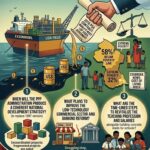
Given the increasing income inequality – as shown by the Inter-American Development Bank’s estimate of 58% poverty and 32% extreme poverty, and by the 170 columns on cost of living published by Stabroek News – when will the PPP political administration produce a coherent and integrated national development strategy to replace the 1997 version?
The opening of the Port Mourant technical training facility is good news. What plans does the PPP political administration have more generally to improve the low-technology and under-capitalised commercial sector in Guyana, including reform of the predatory and inefficient commercial banking sector?
Guyana used to be renowned in the Caribbean for the quality of its schoolteachers. And every year it is clear that Guyana has some brilliant and highly motivated students. Today, examination pass rates are generally poor, especially in hinterland areas. What are the time-lined steps in a strategic plan by the PPP political administration to revitalise the teaching profession and teacher salaries, alongside the current building of concrete shells for schools?
Yours truly,
Janette Bulkan