Dear Editor,
The lead letter of Oct 23 in SN (To shelve this US$2B GTE cornerstone strategic project is misguided, its abandonment will not solve Guyana’s energy insecurity) is so blinkered that I feel compelled to remind readers of circumstances that are being ignored.
1 The land that has been and now again being firmed up for construction was arable. The planners are evidently just out of school and coping with reality as they encounter it. Such people needed “geotechnical investigation”. I wonder if they know the meaning and import of that word “arable”. I remember as a young researcher in 1973 being befriended by Chris Barran (after whom the Geological Survey library was named). He showed me a thick publication of geological maps of Guyana with coastal and riverain diagrams. Some of it was even in colour. The British and Cheddi Jagan knew the use of such soil.
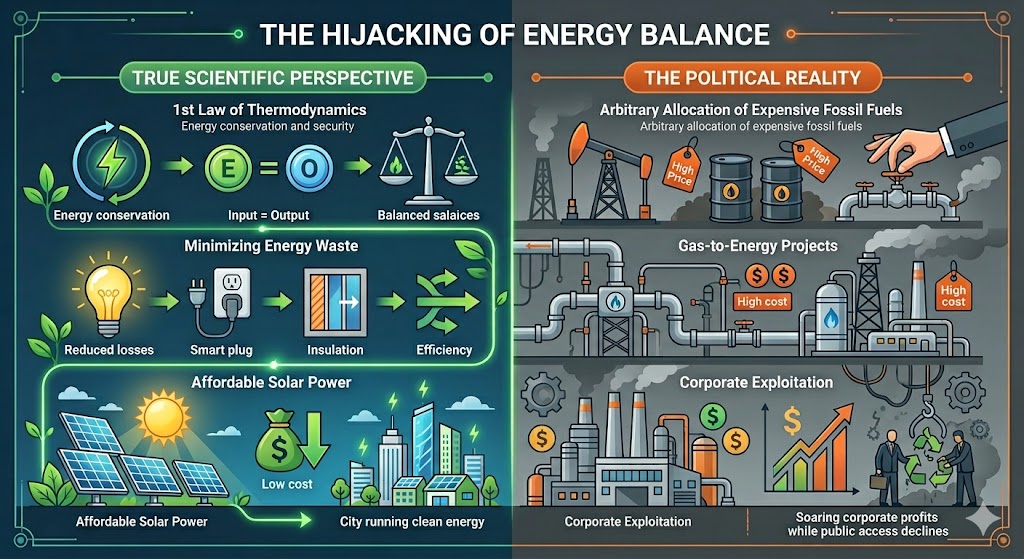
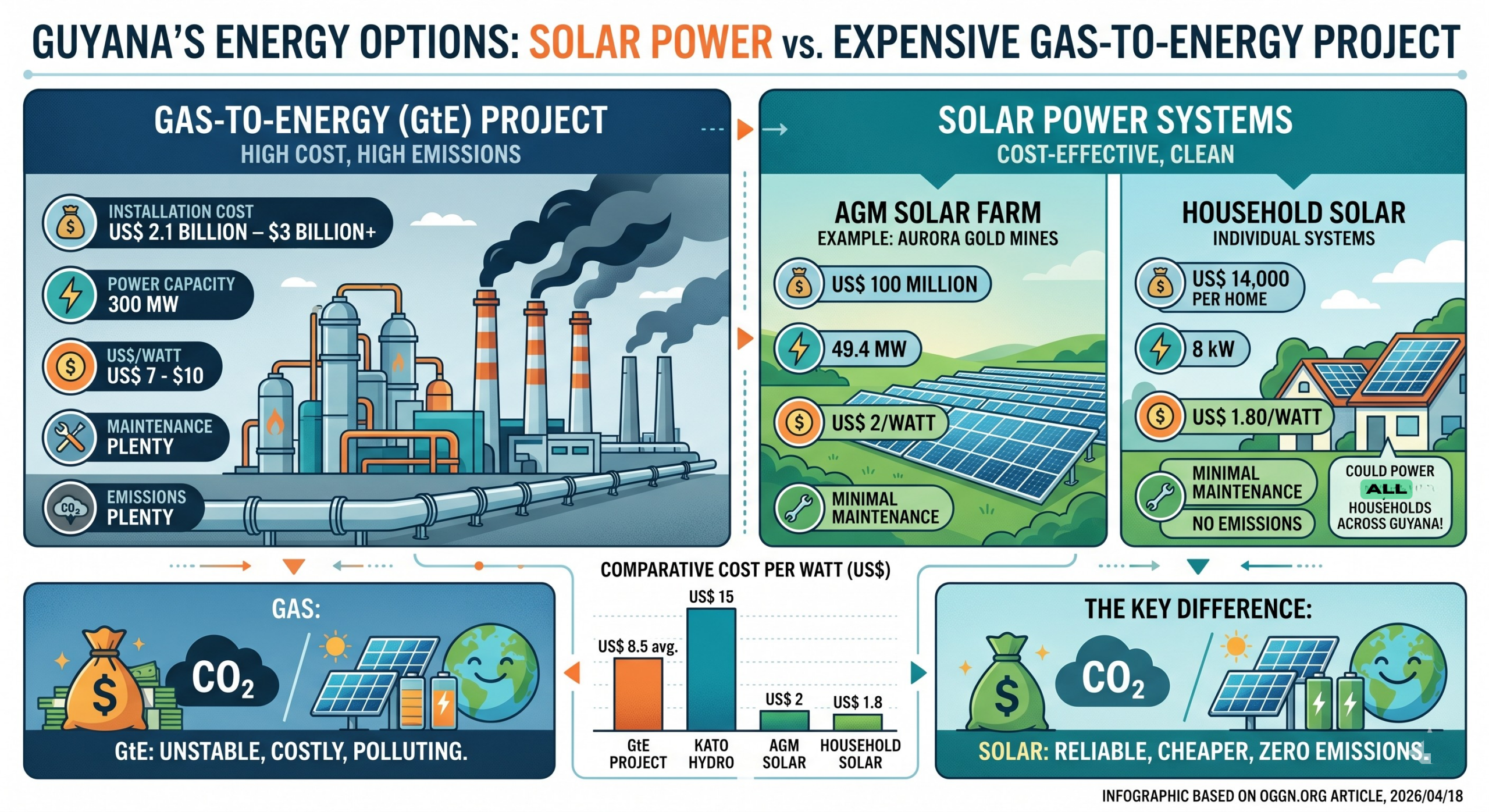
2 Solar energy with storage is far cheaper. I have described, still so far irrefutably, how this should be rolled out in practice as the oil money rolls in with no debt to have hanging over us; not enriching foreign investors and keeping Guyanese in poverty.
3 The gas is what could have been better treated offshore by foreign investment, with a proper royalty for us, stored, and shipped off to buyers in LNG tankers; saving the expense of bringing it ashore except for domestic use.
4 The current GTE is being constructed, and going to be operated and maintained by foreign expertise to whom we will become addicted. Do we expect them to share their proprietary technology with us unless they fail or become obsolete? Politicians who still see no need for a professional petroleum commission cannot be expected to understand that. Sure, Guyanese will get jobs, as weeders, janitors, meal providers, but possibly only a select few into management.
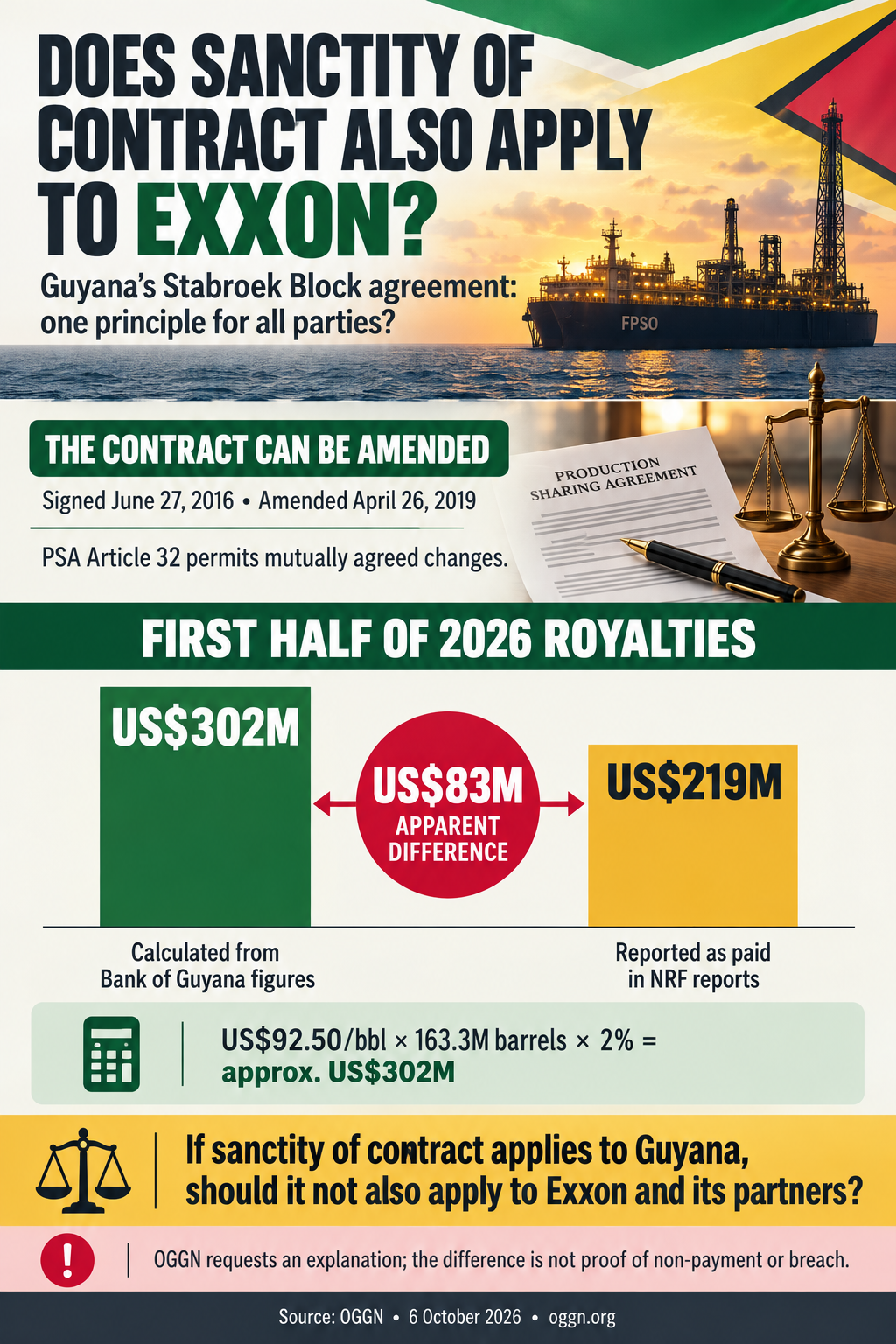
5 If this GTE was such a good national project, why wasn’t it put up for public investment? Instead, such opportunity seemed to have been provided to a favoured few with inside knowledge, who can now drive national policy to their personal profit.
The citations in that letter of success elsewhere are therefore irrelevant. The context here is different. The politicians are caught in a sunk costs or Concorde fallacy of their own creation. All calls for public accountability and transparency continue to be ignored.
Sincerely,
Alfred Bhulai