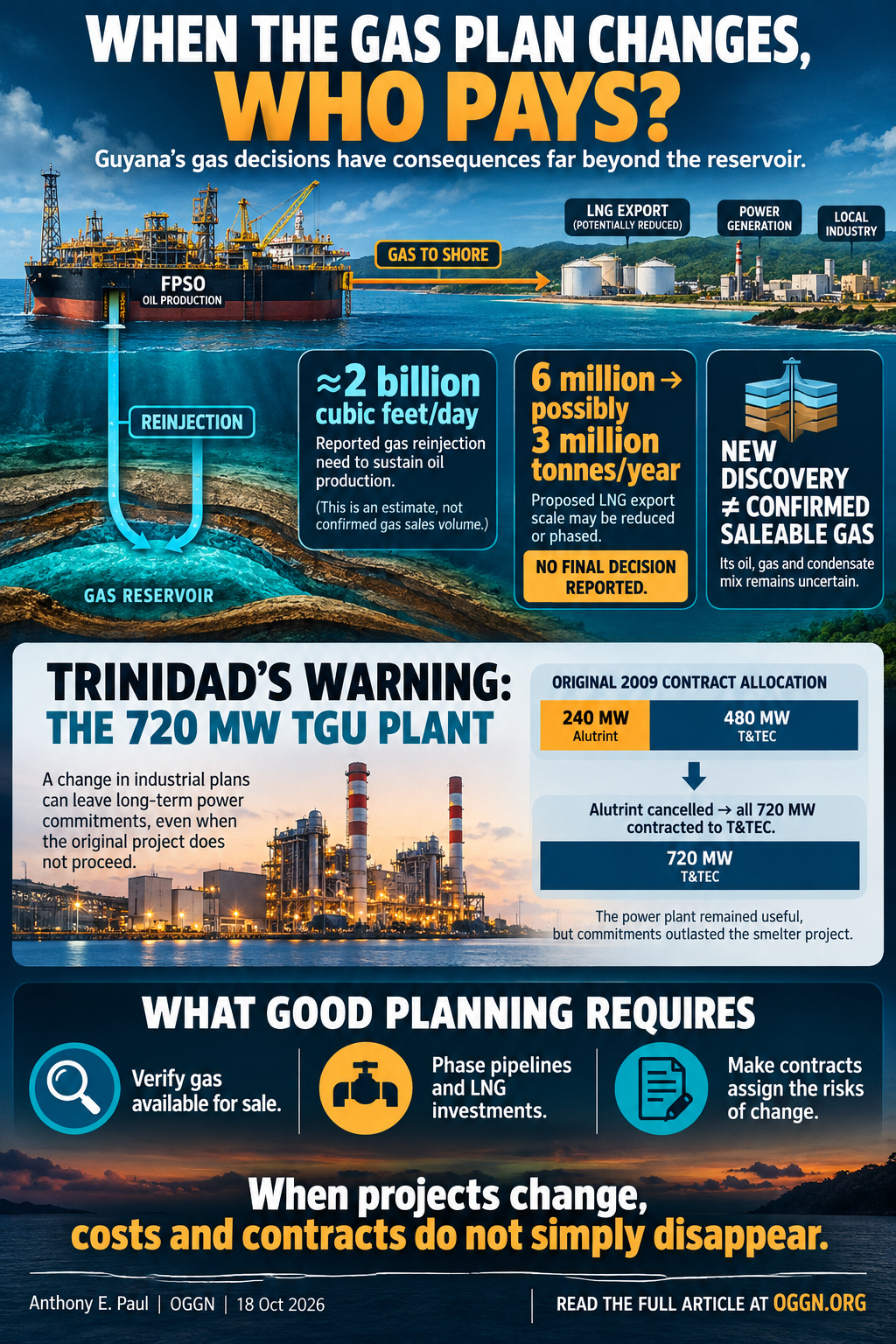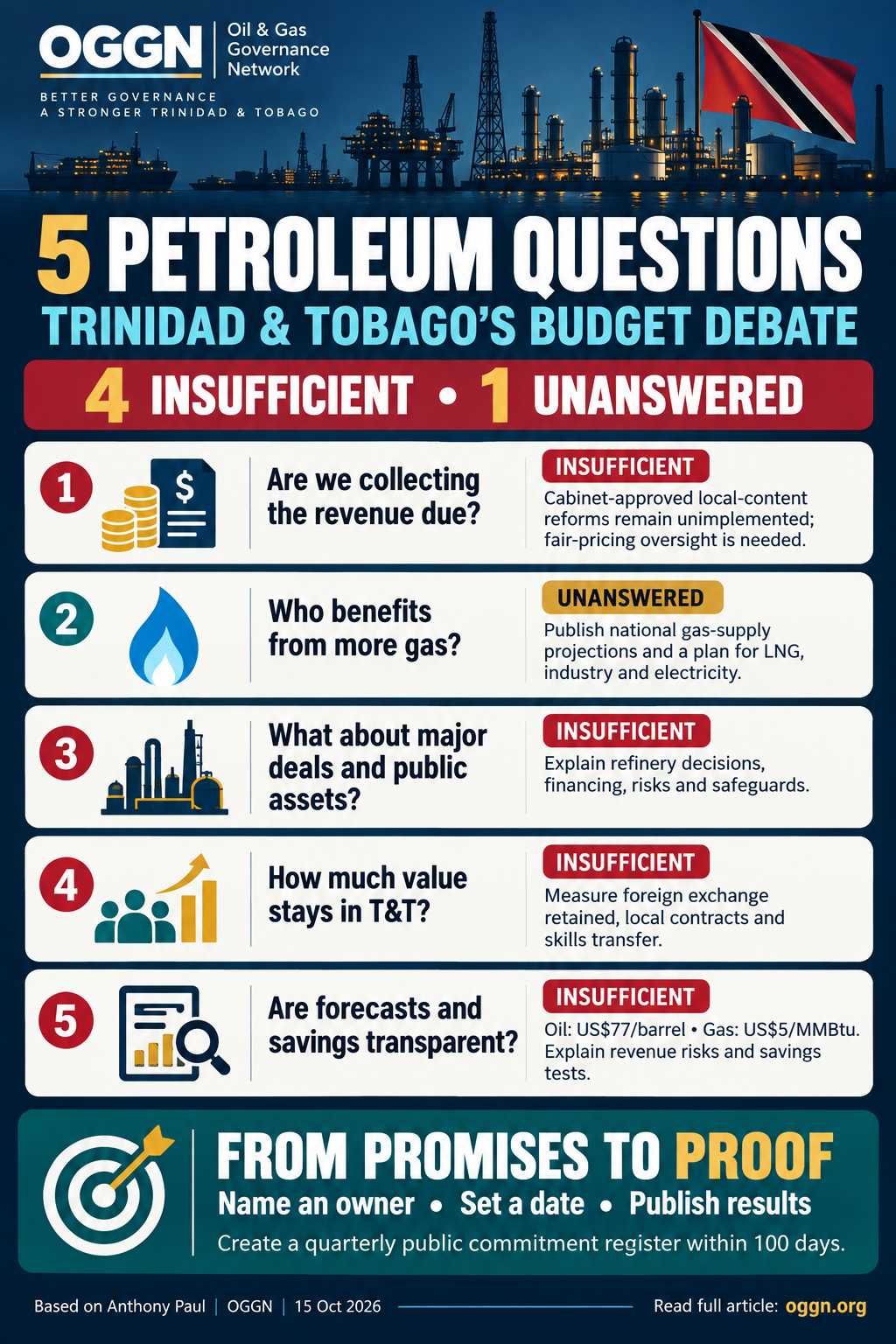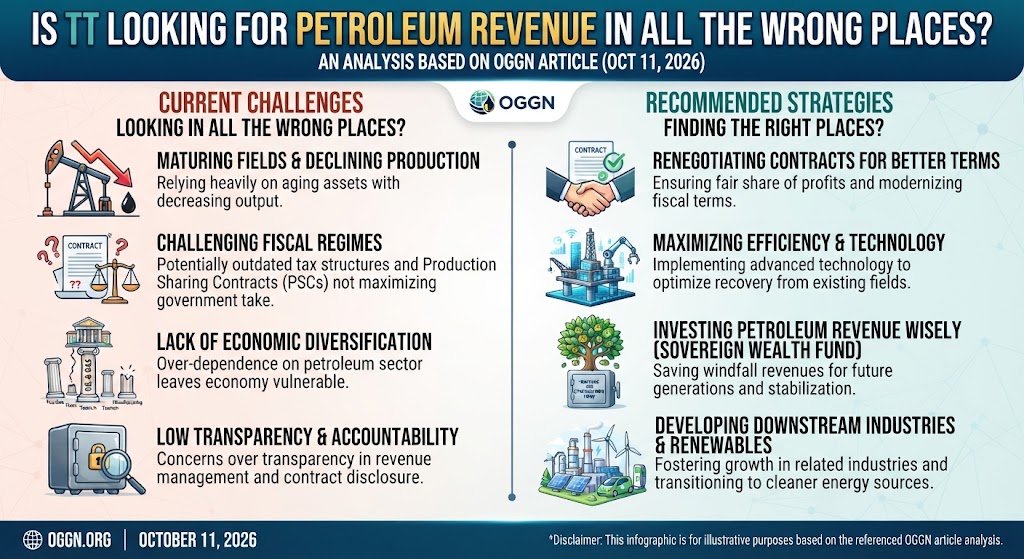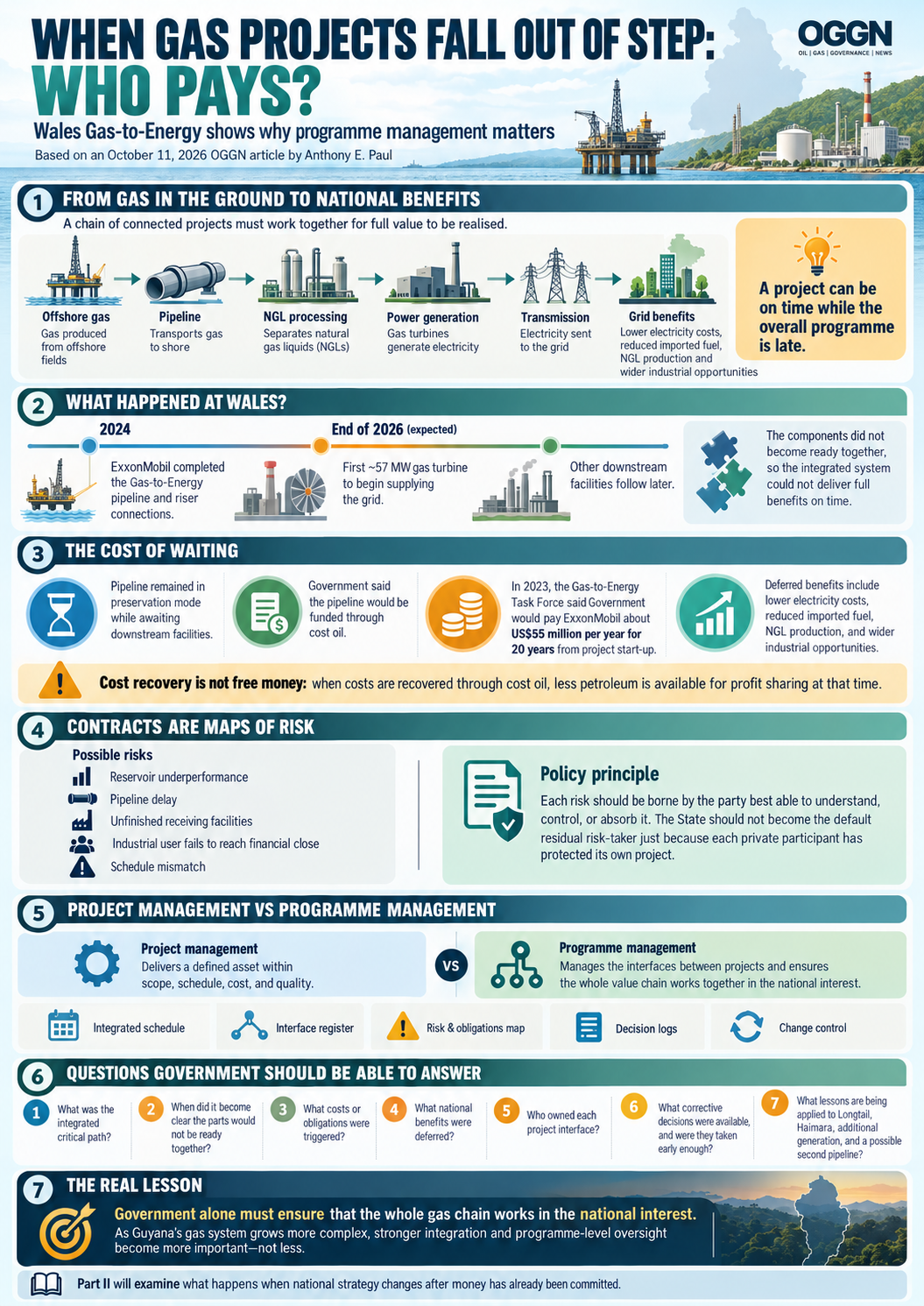

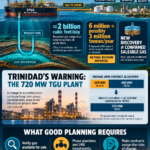

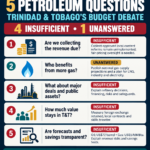
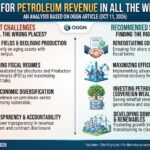
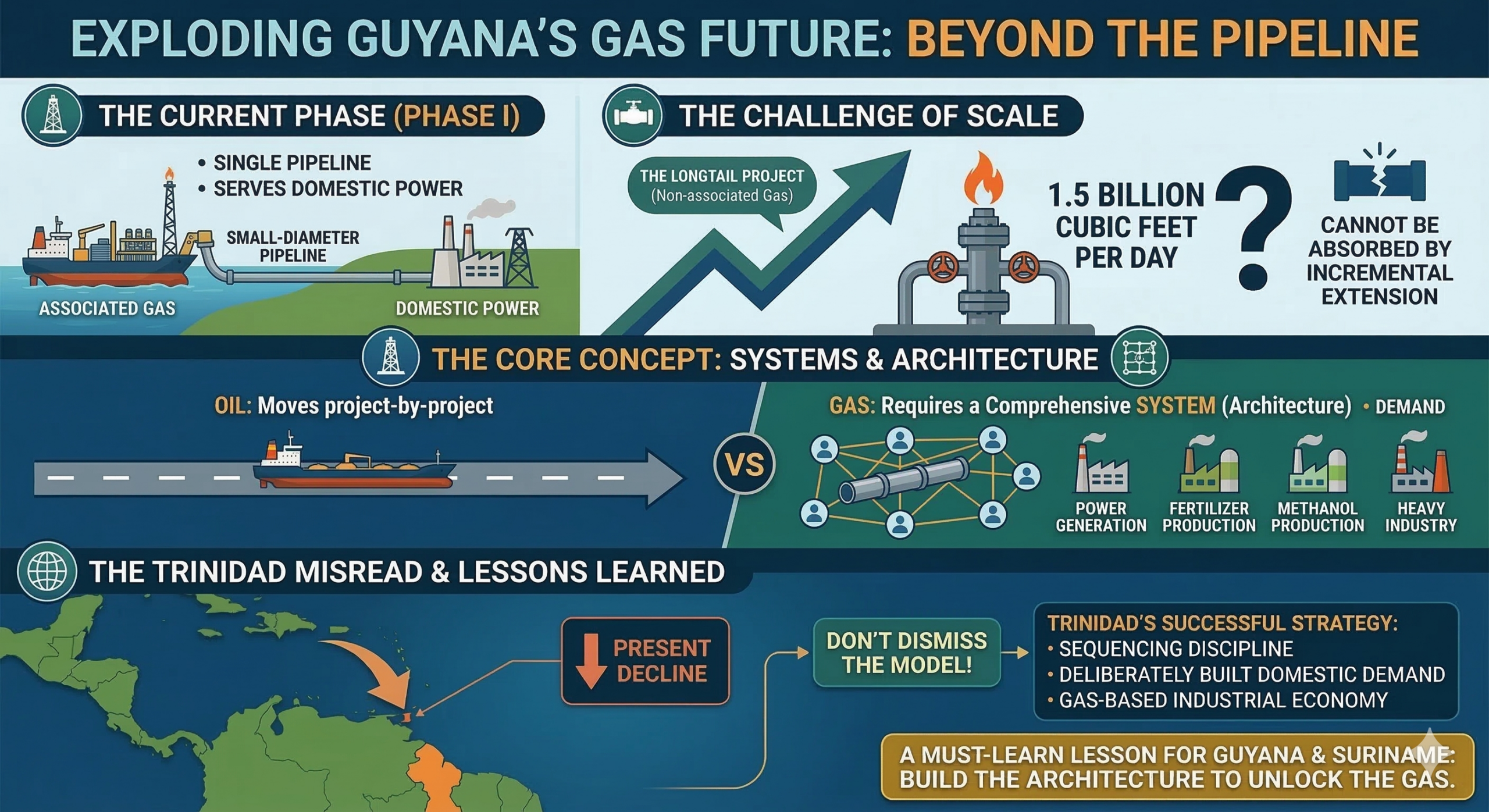
The editor created these infographics for understanding, but Anthony Paul has not validated them. They may lack technical precision, but they remain a useful resource for general readers.
Part II in this series – examines Guyana’s gas moment through a wider institutional lens:
At the Energy Conference, ExxonMobil signaled it is ready to move quickly on natural gas development, but that industrial demand must advance in parallel.
That remark should not be reduced to the current gas-to-energy pipeline. The existing line serves Phase I: associated gas for domestic power.
But the structural question concerns what comes next – particularly Longtail, Guyana’s first significant non-associated gas project, which Reuters has reported could produce volumes approaching 1.5 billion cubic feet per day.
That scale cannot be absorbed by incremental extension.
It requires architecture.
Gas does not move project by project like oil. It moves when systems exist.
The article also addresses what I call the Trinidad Misread.
Much regional commentary focuses on Trinidad & Tobago’s present upstream decline. What is often overlooked is that Trinidad once built one of the most successful gas-based industrial economies in the developing world – deliberately constructing domestic demand in power, fertiliser, methanol and heavy industry before LNG export dominance reshaped the balance.
Its later challenges do not invalidate its earlier sequencing discipline.
To ignore that institutional lesson because of present production decline would be a mistake for Guyana and Suriname.
Future articles in this series will examine:
• What Longtail-scale development implies for pipeline proportionality
• How scheduling gaps can create fiscal exposure
• Why take-or-pay is a planning discipline
• How cost recovery optics affect public trust
• And what programme integration capability looks like at sovereign scale
Guyana’s question is no longer whether gas exists.
It is whether architecture will match scale.