



The recent US reciprocal Tariff Schedule for Guyana, 76/38 % is not trade-weighted by the amount of Guyana’s exports versus its imports from the US. It appears that Guyana has used its 76% tariff charged to the US as a revenue measure, in a similar way that Trump is attempting to do. For example, fish exported from Guyana will be subject to the US 38% tariff, while chicken imported from Florida will be subject to Guyana’s 76% tariff.
On Guyana’s exports, as reflected in its Balance of Payments, published by the Bank of Guyana, there is a difference in treatment of oil exports versus rice exports, say. Crude oil export value does not remit oil export proceeds through the Guyana’s Reserve Accounts at the Bank of Guyana, unlike rice exports by domestic producers. It is probable that other oil related activities, such as the FPSO, Floating Production, Storage, and Offloading or shore-based operations impact on Guyana’s Foreign Reserves (Net Foreign Assets) accounts.
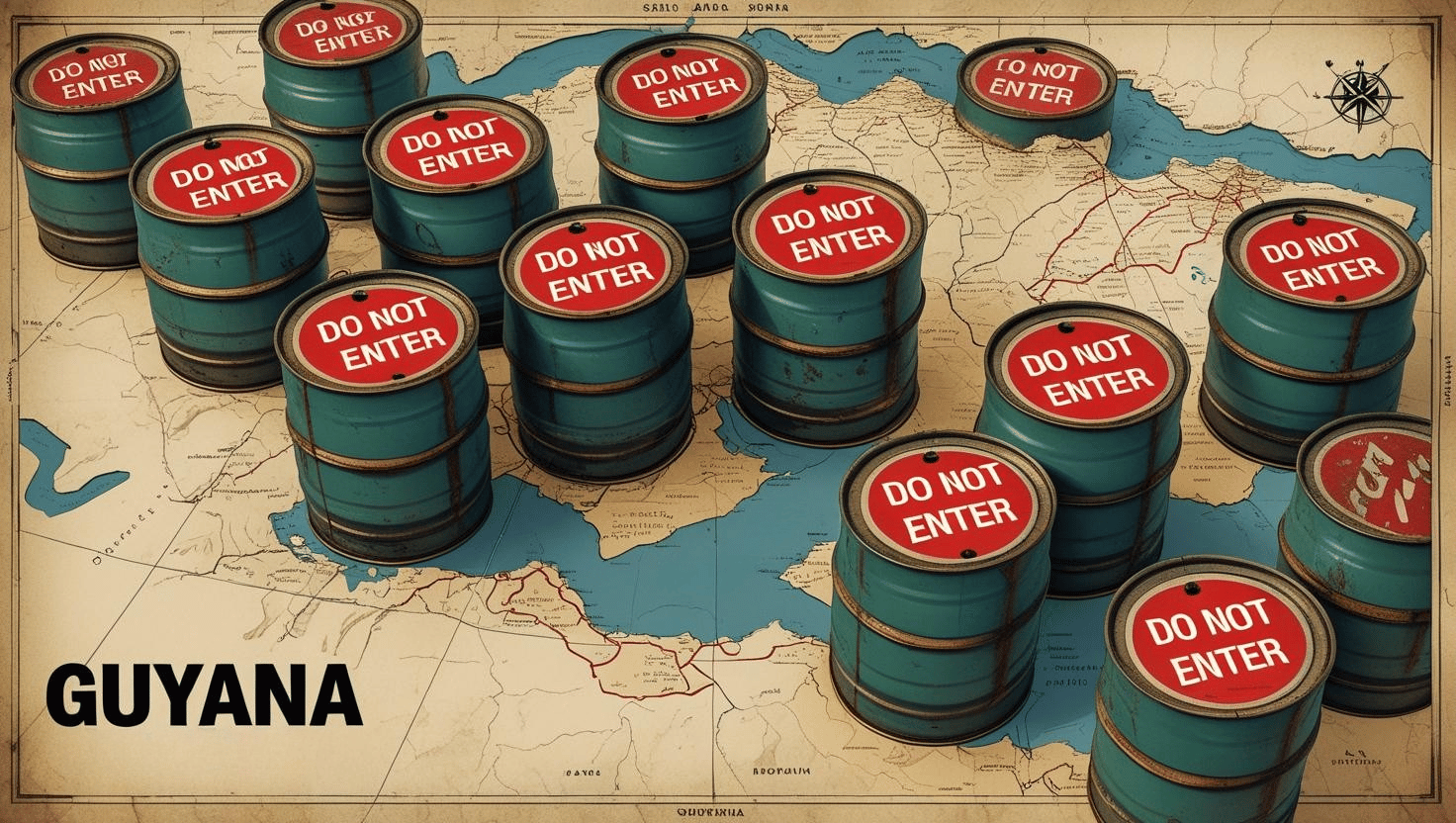
The oil companies operate as an external enclave fund accounting system and flow through only Guyana’s Royalty tax plus its profit share through Guyana’s operating accounts at the New York Federal Reserve Bank. Guyana’s crude oil exports are not part of Guyana’s domestic economy. Oil Exports should therefore be excluded from US import tariff.
Sincerely,
Ganga Persad Ramdas